
Extrusion shops have a dirty little secret: scrap rates. Between start‑up purging, edge trim, gauge variations, and off‑spec runs, a conventional single‑layer extrusion line can easily send 5% to 10% of its purchased resin straight to the grinder—or worse, the landfill. For a mid‑sized operation running 50 tons of PVC compound per week, that adds up to 2.5 to 5 tons of waste every single week. Over a year, the numbers get painful.
Co‑extrusion changes that equation in ways that aren't always obvious from the control room. By combining multiple polymer layers in a single die pass, the process fundamentally reduces material consumption while simultaneously improving product performance. The waste reduction isn't a side benefit—it's baked into the physics of how the process works.
Traditional extrusion produces a homogeneous profile from a single material. If the application requires different surface properties—say, a UV‑resistant cap layer over a foamed core—the manufacturer has two choices: run the entire profile in the more expensive cap material, or post‑laminate a separate film. Both options waste material. The first over‑specifies the entire cross‑section. The second adds handling losses and adhesive waste.
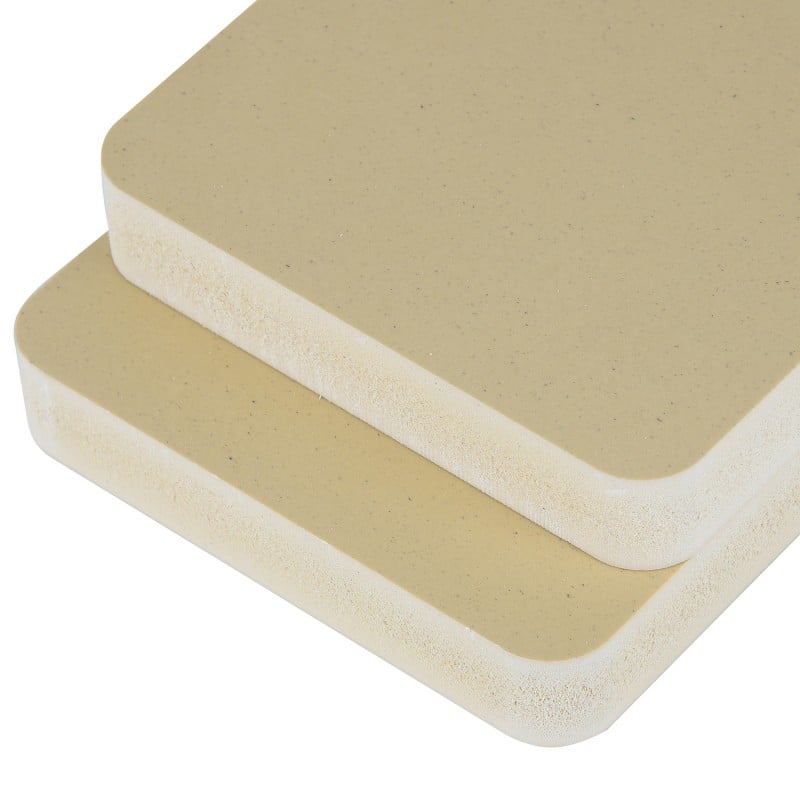
Co‑extrusion solves this by delivering precisely the right material to precisely the right location. A three‑layer co‑extruded sheet might use a high‑cost weatherable capstock on the exposed face, a recycled or filled core in the middle, and a tie layer that bonds everything together. Only the cap layer uses the expensive resin. The core can incorporate regrind and fillers without compromising surface appearance or durability.
The material efficiency shows up in the numbers. In a standard single‑layer extrusion process, the material conversion yield typically runs around 96.9%—meaning roughly 3.1% of input resin is lost to process waste. Co‑extrusion, with its ability to use lower‑cost materials in non‑critical layers, effectively reduces the cost impact of that waste even before the scrap rate drops. But the scrap rate often does drop, for reasons related to process stability.
Anyone who has run an extrusion line knows that start‑up is where the scrap piles up. Adjusting temperatures, screw speeds, and die gaps while the line comes up to steady state can produce hundreds of pounds of off‑spec material before the first saleable sheet comes off the winder.
Co‑extrusion lines, particularly those with modern feed‑block and die designs, achieve steady state faster than their single‑layer counterparts. The multi‑layer structure provides additional melt strength and stability during the start‑up phase, reducing the time required to reach acceptable gauge and surface quality. One production manager at a Midwest sheet plant reported that after converting a line from single‑layer to co‑extrusion, start‑up scrap dropped from an average of 450 pounds per run to just under 200 pounds—a 55% reduction.
The mechanism is straightforward: the interaction between layers dampens melt‑flow instabilities that would otherwise produce gauge bands and surface defects. Less instability means less rejected material.
Edge trim is inevitable in sheet extrusion. The die produces a sheet that's slightly wider than the finished product, and the edges are trimmed to final width. In single‑layer extrusion, that trim is either reground and reintroduced at a limited percentage (typically 15% to 25% of the feed stock) or sold as low‑grade scrap.
Co‑extrusion changes the economics of edge trim. Because the core layer can tolerate higher regrind loadings than the cap layer, the trim—which includes all three layers—can be fed back into the core layer without compromising surface quality. That means a higher percentage of the total trim stream can be recycled internally.
| Waste Stream | Traditional Single‑Layer Extrusion | Co‑Extrusion Sheet |
|---|---|---|
| Start‑up scrap per run | 400‑500 lbs (typical for 60‑inch line) | 180‑220 lbs |
| Edge trim utilization | 15‑25% regrind in same material | Up to 100% regrind in core layer |
| Off‑spec product | Generally scrapped or down‑graded | Can often be ground and used in core |
| Overall material yield | ~95‑97% | ~98‑99% |
| Annual waste (50 tons/week operation) | 130‑260 tons/year | 50‑100 tons/year |
These figures represent typical observed performance across medium‑scale sheet extrusion operations. Actual results vary by line configuration, material system, and operator skill.
One of the less obvious sources of material waste in traditional extrusion is over‑specification. When a product requires a minimum cap layer thickness for weatherability, the line must run with enough margin to ensure that the thinnest point in the sheet still meets the spec. Gauge variations across the web mean the average cap thickness ends up significantly thicker than the minimum.
Co‑extrusion with feedback control systems reduces gauge variation significantly. The layer ratio can be held to within ±2% across the width, compared to ±5% or more for single‑layer processes attempting to achieve the same surface properties through overall thickness control. That precision translates directly into material savings: less resin consumed to achieve the same functional performance.
A case study from a European sheet extruder illustrated the point. The company converted a single‑layer weatherable sheet line to a two‑layer co‑extrusion configuration with a 15% cap layer. The finished product met the same UV performance requirements as the previous 100% weatherable‑grade sheet, but used only 15% of the expensive resin. The remaining 85% of the thickness switched to a lower‑cost, regrind‑filled core. Material cost per square meter dropped by over 30%, and total resin consumption—including regrind—fell by nearly 12%.
Single‑layer extrusion has a hard limit on regrind content. Too much regrind in the feed stream degrades melt strength, color consistency, and mechanical properties. Most processors cap regrind at 20% to 30% for appearance‑grade products.
Co‑extrusion sidesteps this limitation by isolating regrind in the core layer. The cap layer remains 100% virgin or near‑virgin material, preserving surface appearance and weatherability. The core can run with 50%, 75%, or even 100% regrind, depending on the application and the quality of the recycled material.
This isn't theoretical. A North American sheet producer documented a transition from a single‑layer PVC sheet line with 25% regrind to a co‑extruded line with a 70% regrind core. The finished product met the same physical property requirements, and the company's annual virgin resin purchases dropped by more than 400 tons.
The waste‑reduction story isn't all one‑sided. Co‑extrusion introduces complexity that can create its own waste streams if not managed properly. Layer ratio errors, interfacial instability, and die‑block contamination all produce scrap that's harder to recycle than single‑layer waste. The mixed‑polymer nature of co‑extruded scrap limits its reuse to the core layer of similar structures.
Changeovers between different layer configurations also generate more waste than single‑layer changeovers. Purging a co‑extrusion die block to switch from one material combination to another can consume significant quantities of resin. For shops running frequent short production runs, the changeover waste can offset some of the material savings achieved during steady‑state operation.
These limitations don't invalidate the waste‑reduction benefits; they simply define the boundaries. Co‑extrusion delivers the greatest material savings in high‑volume, long‑run production where steady‑state efficiency dominates the total waste picture.
A mid‑sized sheet plant running 100 tons of PVC compound per week illustrates the numbers. At an average resin cost of $1,200 per ton, a 5% scrap rate in single‑layer extrusion represents $6,000 per week in wasted material—over $300,000 annually. Switching to co‑extrusion with a 2% scrap rate and lower‑cost core materials can cut that figure by more than half, even before accounting for the reduced cost of the core layer formulation.
Add in the labor savings from fewer changeovers and less regrind handling, and the business case becomes compelling. One extruder reported a 14‑month payback on a co‑extrusion line upgrade, driven almost entirely by material savings.
Hangzhou Oufei New Materials operates more than 50 co‑extrusion lines, with a daily output exceeding 200 tons. That scale means the company has had to solve the waste‑management problem at an industrial level, not just on a single line. The cumulative material savings from running co‑extrusion across that many lines translate into millions of dollars annually—and a significantly reduced environmental footprint.
Copyright © 2026 by Hangzhou Oufei New Material Co.,Ltd. — Privacy Policy
 EN
EN



 Hot News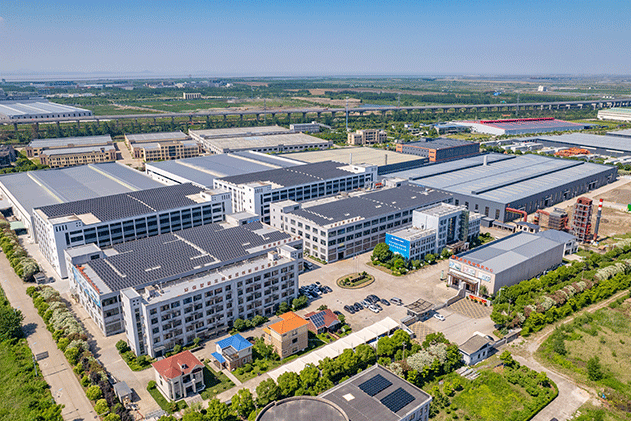
 ONLINE