
A mid-sized hospital in southern China replaced 86 interior doors with WPC units across two patient wings back in 2022. Within eight months, the maintenance team started logging complaints—ink stains from administrative offices, adhesive residue from temporary signage, and a mysterious yellowish discoloration near the hand-sanitizer stations that nobody could explain. The standard damp-cloth routine wasn't cutting it anymore.
This isn't an isolated scenario. WPC (wood-plastic composite) door surfaces carry a decorative PVC film or a co-extruded cap layer that provides the wood-like aesthetic and weather resistance the material is known for. But that same surface layer, typically between 0.12mm and 0.45mm thick, has its limits when aggressive contaminants enter the picture. The question isn't whether WPC doors stain—every surface does. The real question is how to remove those stains without turning a fix into a failure.
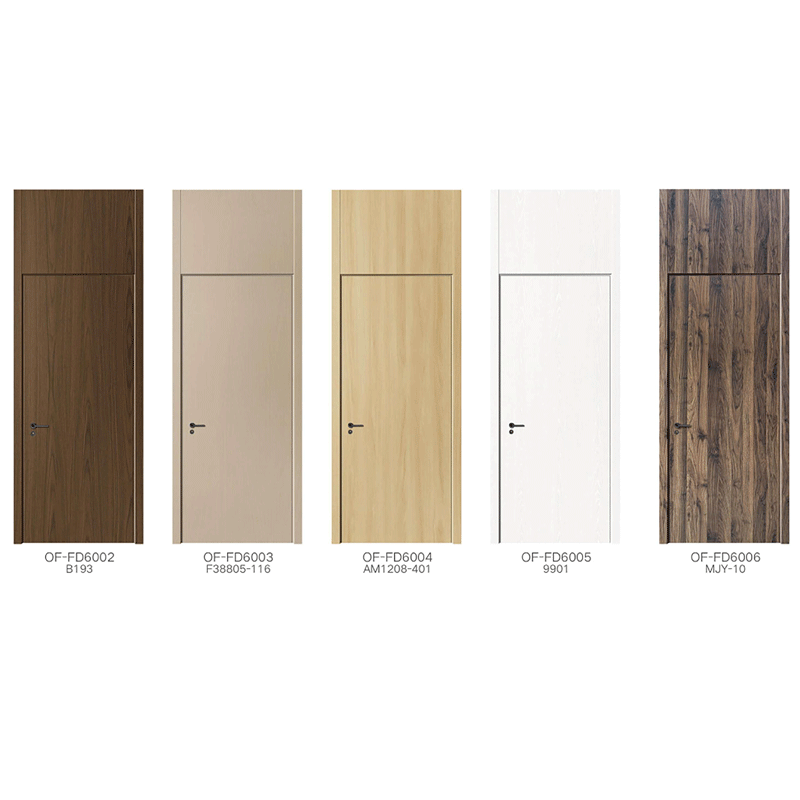
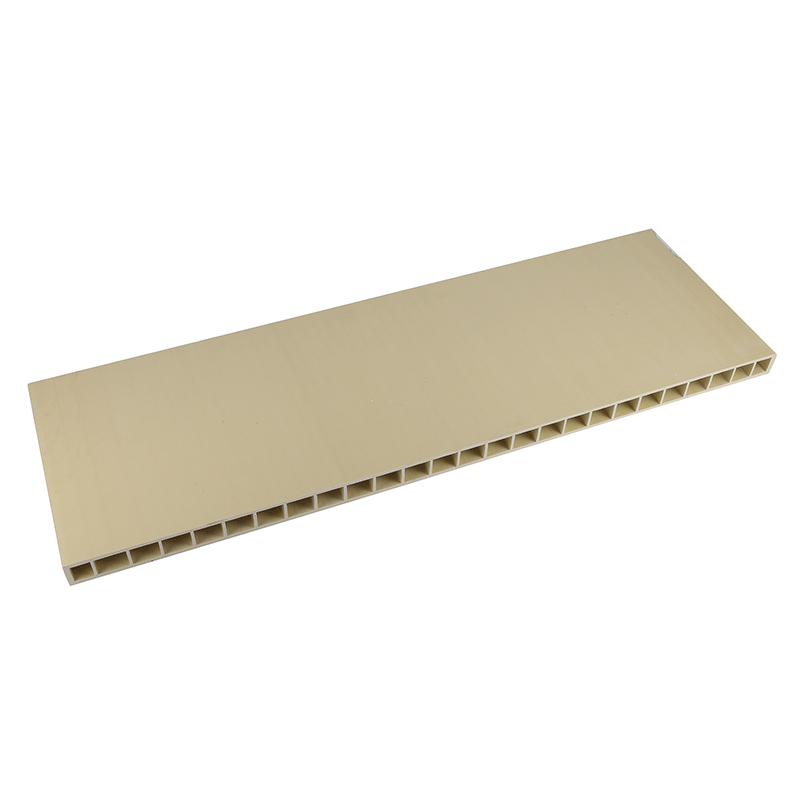
The surface of a typical WPC door isn't solid composite all the way through. Most commercial-grade units feature a three-layer construction: two dense outer skins bonded to a foamed core. The decorative layer on top is either a PVC film laminate or a solid cap layer formed during co-extrusion.
That top layer is what takes the daily beating—fingerprints, coffee splashes, marker doodles from kids, grease from kitchen areas. Routine maintenance is straightforward: a soft cloth with mild soap and water handles 90% of what lands on the surface. The trouble starts when something more aggressive than daily dust shows up.
The PVC film or cap layer is formulated to resist moisture and moderate chemical exposure, but it's not invincible. Aggressive solvents can plasticize or dissolve the polymer matrix. Abrasive pads create micro-scratches that dull the finish and trap future dirt. The trick is matching the cleaning agent to the stain type while respecting the material's chemical tolerance.
Not all stains are created equal, and treating an ink mark like a grease spot is a fast track to frustration. Here's a practical breakdown based on field experience and manufacturer guidelines:
| Stain Type | Recommended Approach | What to Avoid |
|---|---|---|
| Fingerprints & light soil | Soft microfiber cloth + mild detergent solution | Abrasive sponges, paper towels with rough texture |
| Grease & cooking oil | Degreasing soap solution, applied with soft cloth and wiped immediately | Solvent-based degreasers that can attack the film |
| Ink & permanent marker | Isopropyl alcohol (70%) on a cloth—spot test first | Acetone, nail polish remover, paint thinner |
| Adhesive residue | Gentle rubbing with isopropyl alcohol or specialized adhesive remover | Scraping with metal blades, aggressive solvents |
| Paint splatter | Let dry, gently rub with fingernail or plastic scraper, then mild soap | Chemical paint strippers, steel wool |
Isopropyl alcohol at 70% concentration has proven effective on ink and certain adhesive residues without damaging the WPC surface in controlled tests. Some manufacturers even recommend 75% alcohol for oil-based kitchen stains. That said, alcohol should be used sparingly—apply to the cloth, not directly to the door, and wipe dry immediately after the stain lifts.
Acetone is where opinions diverge. Some sources suggest it works well for ink and stubborn marks. But a growing body of maintenance guidance warns that acetone and similar harsh solvents can dissolve the protective cap layer, leading to permanent discoloration and increased susceptibility to future staining. The safe bet? Reserve acetone for spot tests on inconspicuous areas, and only if nothing else works.
That hospital project mentioned earlier became an informal testing ground. The maintenance supervisor kept a log of what removed what.
For the ink stains near the nursing stations—ballpoint pen marks on door edges where charts were clipped—isopropyl alcohol on a cotton cloth lifted the marks in under ten seconds per spot. No visible change to the door's finish after six months of periodic cleaning.
The adhesive residue from the temporary signage proved more stubborn. The team tried Goo Gone–type citrus cleaners first. Partial success, but it left a slightly tacky film that attracted dust. Switching to 70% isopropyl alcohol with a bit more dwell time (about thirty seconds before wiping) did the trick without residue.
The yellowish discoloration near the sanitizer stations was a different beast. It turned out the hand sanitizer dispensers were leaking small amounts of alcohol-based gel onto the door surface daily. Over time, the repeated alcohol exposure had begun to soften the PVC film in those specific spots. The fix wasn't a cleaner—it was relocating the dispensers and accepting that those doors would need re-lamination or replacement sooner than the rest. Sometimes the right move isn't a better chemical; it's recognizing the limitation.
When a routine wipe-down fails, follow this sequence:
Identify the stain type. Is it oil-based, water-based, or solvent-based? This determines the next step.
Start with the gentlest option. Warm water with a few drops of mild dish soap. Work it in with a soft sponge, rinse with a clean damp cloth, and dry immediately.
Escalate to isopropyl alcohol if the stain persists. Apply to a cloth, not directly to the surface. Wipe the stained area in a single direction rather than circular motions—this reduces the chance of spreading the stain.
For adhesive or paint residue, let the alcohol sit for 20–30 seconds before gentle rubbing. Patience beats pressure every time.
If the stain remains, consider a melamine sponge (the white "magic" eraser type) dampened with water. These work through micro-abrasion and can handle scuffs that chemicals won't touch. But use light pressure—these sponges are abrasive enough to dull gloss finishes if overused.
Document what worked. Keep a simple log for facility teams. Consistency matters more than any single miracle product.
Not every stain comes out. Deep-set discoloration from prolonged chemical exposure, UV degradation in sun-drenched hallways, or physical damage from impact won't respond to any cleaning protocol.
The PVC film on WPC doors typically has a service life that outlasts most interior fit-outs, but it's not immortal. Repeated aggressive cleaning accelerates wear. The data on WPC surface durability shows that while the material holds up well against moisture and moderate abrasion, the decorative layer remains the vulnerable point.
For export-oriented projects, understanding these limitations matters as much as knowing the cleaning methods. Clients in hospitality, healthcare, and commercial office sectors ask about maintenance because they're calculating total cost of ownership. A door that cleans easily but stains permanently is a door that gets replaced prematurely.
Specifying WPC doors means accepting that the surface finish requires thoughtful care—not because the material is fragile, but because any decorative surface has thresholds. The good news is that the vast majority of stains respond to the mildest interventions. The bad news is that once someone reaches for acetone or a scouring pad without testing, the damage is often irreversible.
For facility managers, train staff on the stain-type framework. Post a simple guide in the janitorial closet. For procurement teams, ask suppliers about the specific PVC film grade and its chemical resistance data. Not all films are equal—some carry enhanced scratch and stain resistance through specialized topcoat treatments.
Manufacturers with full-chain production capability, like Hangzhou Oufei, maintain tighter control over film quality and lamination consistency because they handle the process from compound formulation through to the finished board. That kind of vertical integration doesn't guarantee a stain-proof door—no such thing exists—but it does mean fewer variables in the surface quality equation.
Copyright © 2026 by Hangzhou Oufei New Material Co.,Ltd. — Privacy Policy
 EN
EN

 Hot News
 ONLINE