
Walk through any furniture showroom or kitchen cabinet display, and the visual difference between real wood veneer and PVC lamination has become surprisingly hard to spot. High-definition printing and embossing technologies now replicate wood grain, texture, and even the subtle hand-feel of open pores with remarkable fidelity. But the price gap between the two options hasn’t narrowed—it’s actually grown wider in some market segments.
A mid-sized office furniture exporter based in Guangdong shared some internal costing data during a 2024 factory tour. For a standard executive desk series, the material cost for genuine oak veneer ran roughly four to five times higher than PVC laminated film on the same MDF substrate. The labor differential was even more pronounced: veneer application demanded skilled craftsmen, longer pressing cycles, and a rejection rate that fluctuated with humidity levels. PVC lamination, by contrast, ran on automated lines with consistent output and minimal scrap.
The upfront cost difference tells only part of the story. Real wood veneer comes from timber that must be harvested, sliced, dried, graded, and shipped—often across continents. Each step adds cost and introduces variability. A single batch of walnut veneer might yield 70% usable sheets on a good day; on a bad day, that number drops closer to 50% due to grain defects, splits, or color mismatch.
PVC lamination film starts as a synthetic substrate—PVC resin compounded with plasticizers, stabilizers, and pigments—extruded into thin, flexible rolls. The production process is continuous, repeatable, and largely unaffected by seasonal raw material availability. A 2025 industry analysis placed the average cost of wood-grain PVC film at roughly 30% to 50% below premium hardwood veneers, with even wider gaps when comparing against exotic species like teak or rosewood.
| Cost Factor | Real Wood Veneer | PVC Lamination |
|---|---|---|
| Raw material cost per m² | High (species-dependent) | Low to moderate |
| Yield loss (production) | 15–30% | 2–5% |
| Skilled labor requirement | High | Low |
| Rework/reject rate | 5–15% | 1–3% |
| Total installed cost | 4–6× PVC lamination | Baseline |
The table above reflects typical ratios observed across furniture manufacturing operations in Southeast Asia. Actual figures vary by factory and order volume, but the relative positioning holds consistently.
Real wood veneer has a well-documented Achilles’ heel: it’s sensitive to moisture, temperature swings, and mechanical abrasion. A water glass left on a veneered desktop leaves a ring. A dragged keyboard tray scratches the surface. Sunlight streaming through a window fades the finish unevenly over time.
PVC lamination handles these everyday insults with considerably more composure. The surface layer resists moisture penetration—no swelling, no delamination at the edges, no warping. Scratch resistance, when tested against EN 15186 standards, typically falls in the 8 to 15 Newton range depending on the specific film formulation. That’s enough to withstand normal office and residential use without showing premature wear.
One furniture rental company in the UK switched from veneered to PVC-laminated pieces for their entire inventory after noticing that veneered items required refinishing or replacement after roughly three rental cycles. The PVC-laminated units went through six cycles with only minor surface scuffs that buffed out easily. The total cost per use dropped by more than half.
Wood veneer offers what it offers: the grain pattern of that specific tree, cut at that specific angle, from that specific log. Matching grain across multiple panels requires careful selection and sequencing—a time-consuming process that drives up cost and limits design options.
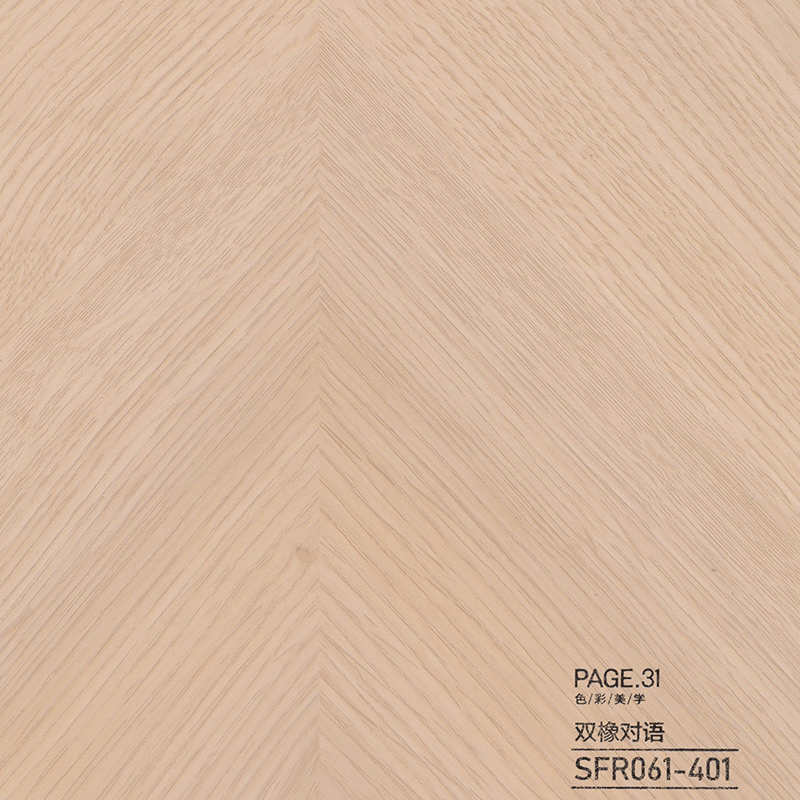
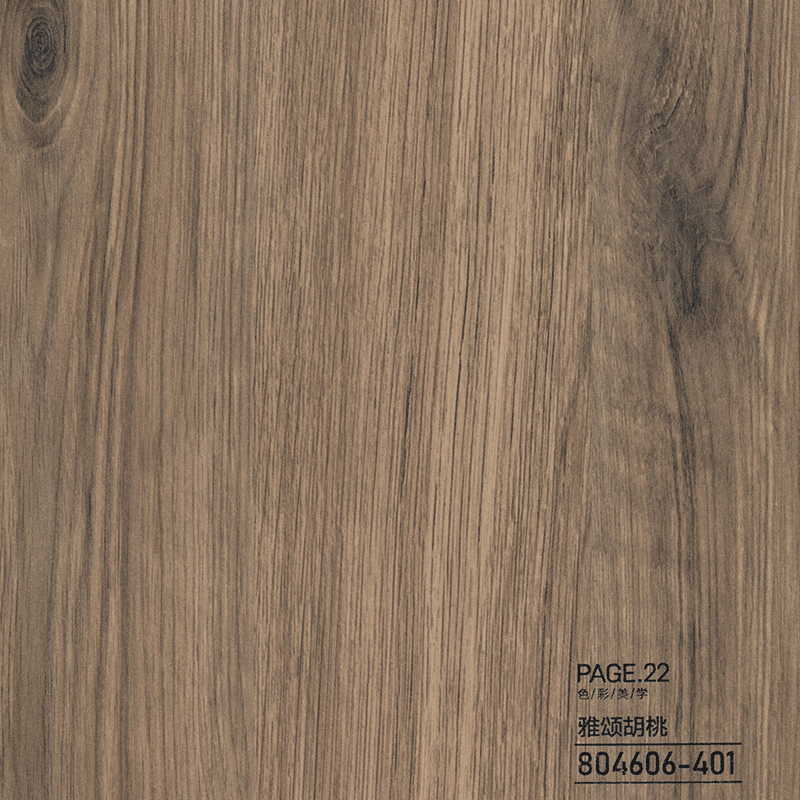
PVC lamination turns that limitation inside out. Digital rotogravure printing can reproduce hundreds of wood species, from common oaks to rare ziricote, with consistent color and grain from roll to roll. Matching across an entire production run is trivial because every meter of film comes from the same print cylinder. Manufacturers can also offer finishes that don’t exist in nature—metallic accents, colored grains, or hybrid textures—without developing new supply chains.
A Vietnamese furniture maker catering to European hotel chains reported that PVC lamination allowed them to offer 47 different wood-grain finishes from a single production line, compared to just 12 veneer options previously. The broader palette helped them win contracts that demanded specific aesthetic consistency across thousands of room units.
Environmental considerations increasingly factor into material selection, especially for export-oriented manufacturers serving markets with strict sustainability regulations. Real wood veneer, even when sourced from certified plantations, still consumes timber, water, and energy in the drying and processing stages. Transportation adds another layer of carbon footprint.
PVC lamination uses a fraction of the wood fiber—essentially none in the decorative layer itself—and can be applied to substrate materials like MDF or particleboard that utilize recycled wood content. The film itself is lightweight, reducing shipping weight and associated emissions. At end of life, PVC-laminated panels can be separated and recycled through established streams, though the infrastructure varies by region.
That said, PVC is a petroleum-based product, and its production carries its own environmental burden. The comparative advantage lies not in being “green” in an absolute sense, but in offering a lower-impact alternative to solid wood and veneer for high-volume applications where timber consumption would otherwise be significant.
Honest assessment demands acknowledging PVC lamination’s limitations. It doesn’t feel exactly like real wood to a trained hand. The surface lacks the subtle warmth and slight variability that wood purists value. Deep scratches that penetrate the film cannot be sanded out and refinished the way veneer can—once damaged, replacement is the only practical fix.
The material also performs poorly under extreme heat. A hot pan placed directly on a PVC-laminated surface will melt or discolor the film. High-end residential kitchens, where clients expect both aesthetics and heat tolerance, often still specify veneer or solid wood despite the cost premium.
For the vast middle ground—office furniture, hospitality interiors, retail displays, and residential cabinetry that doesn’t sit next to a stove—PVC lamination offers a compelling value proposition. It delivers the look without the cost, the maintenance, or the material anxiety that comes with real wood.
Manufacturers like Hangzhou Oufei have invested heavily in color matching and surface-texture technologies that narrow the perceptual gap between film and veneer. The real differentiator, however, isn’t just the film quality—it’s the consistency and scale that make PVC lamination a practical choice for operations that need to ship thousands of units with predictable appearance and performance.
Copyright © 2026 by Hangzhou Oufei New Material Co.,Ltd. — Privacy Policy
 EN
EN

 Hot News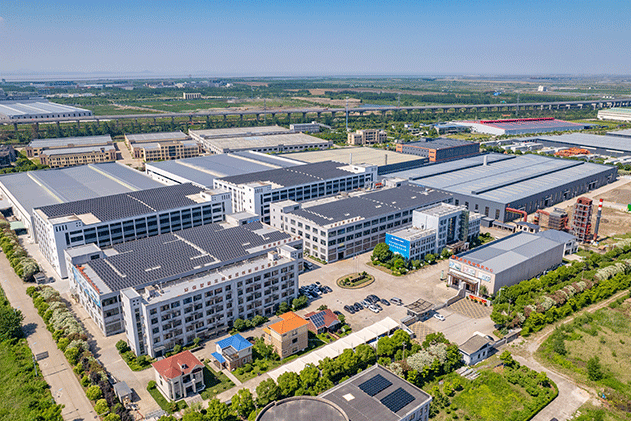
 ONLINE