
PVC foam board offers a closed-cell structure that combines light weight with reasonable rigidity. This microcellular core, formed by controlled expansion during extrusion, gives the board a smooth skin on both faces that is naturally receptive to adhesives. The surface energy of a freshly sanded or corona-treated PVC board sits comfortably above forty dynes per centimeter, a threshold that most water-based and solvent-based lamination adhesives need to achieve proper wet-out. Boards with a density between four hundred and six hundred kilograms per cubic meter strike the best balance between screw-holding strength and weight, making them popular for furniture, interior signage, and wall paneling projects where decorative lamination is specified.
The board’s thickness also matters. Thin boards under five millimeters tend to warp if the decorative film shrinks even slightly during post-heating. Thicker boards above twelve millimeters provide dimensional stability but add unnecessary weight and cost for purely aesthetic applications. Recognizing these substrate characteristics before choosing a film and adhesive prevents the kind of field failures that show up months after installation as edge lifting or surface blistering.
Not every decorative film bonds equally well to PVC foam. Common choices include solid-color PVC films, wood-grain PVC films, PET-based decorative films, and thin acrylic-laminated foils. PVC-on-PVC bonding benefits from chemical similarity: a solvent-based adhesive or a heat-activated PU adhesive can create a near-permanent fusion between the film and the board. The downside is that PVC films generally have lower scratch resistance than PET alternatives. PET decorative films bring higher surface hardness and better UV stability, but they demand a primer or an adhesion promoter because their surface chemistry does not naturally match the PVC substrate.
For projects that need a high-end furniture feel, a two-layer system using a printed design layer topped with a clear protective overlay works well. The overlay thickness, usually between thirty and sixty microns, determines how the finished piece wears over years of daily handling. Specifying the overlay thickness upfront, rather than just the total film gauge, avoids the mistake of buying a product that looks good out of the box but loses its gloss within two years.
Lamination failures almost always trace back to surface preparation shortcuts. The PVC foam board surface arrives from the factory with a thin layer of extrusion lubricants and static-attracted dust. A quick wipe with isopropyl alcohol removes the lubricants. For production-scale operations, a powered brush station followed by an ionizing air knife eliminates both dust and static charge in one pass.
Sanding with a fine-grit abrasive, something in the 240 to 320 range, opens the board’s surface just enough to create a mechanical key without scuffing through the dense outer skin into the softer foam core. Exposing the core creates a rough, absorbent surface that drinks adhesive unevenly. After sanding, a surface roughness measurement of two to four microns Ra, checked with a portable profilometer, predicts good adhesion. When that number drifts above six microns Ra, the adhesive fills the valleys and starves the peaks, resulting in a bond line that looks intact but fails under peel stress.
The choice between hot-melt PUR, solvent-based contact adhesive, and water-based acrylic adhesive changes both the production rhythm and the final bond. The table below compares three common approaches for laminating decorative films onto PVC foam board.
| Adhesive Type | Application Method | Open Time | Bond Strength (N/25mm) | Heat Resistance |
|---|---|---|---|---|
| Solvent-based PU | Roller coater, manual spray | 5–15 min | 18–25 | Good (80°C) |
| Water-based acrylic | Roller coater | 2–5 min (heated) | 10–16 | Moderate (60°C) |
| Hot-melt PUR | Slot die, heated roller | Seconds | 20–30 | Excellent (100°C+) |
Hot-melt PUR delivers the strongest, most heat-resistant bond, which matters for panels installed near radiators or in direct sun. Its near-instant curing speed, however, leaves no room for repositioning. Solvent-based PU offers a practical middle ground for small to medium shops because the open time allows manual alignment of the film. Water-based acrylic systems are the easiest to clean and have the lowest VOC emissions, but their bond strength drops noticeably in humid environments unless a crosslinking additive is included. Matching the adhesive to the shop’s ventilation, skill level, and production volume avoids both safety problems and rework.
A boutique hotel in a coastal city needed to refresh its lobby and corridor walls. The original wallcoverings, a textile-backed vinyl, had started peeling in the salty, humid air. The design team chose eight-millimeter PVC foam boards laminated with a brushed-metal-look PET film. The boards were cut into large-format panels, edge-sealed with a matching trim, and mounted on a subframe with hidden fasteners. The PET film provided the metallic sheen the designers wanted, while the PVC foam core kept each panel light enough for a two-person crew to handle without a lift.
After eighteen months of operation, the panels showed no delamination, edge lifting, or visible wear despite daily cleaning with mild detergent. The hotel operator reported that the maintenance cost per square meter had dropped by over sixty percent compared to the previous wallcovering, largely because damaged panels could be swapped individually without closing entire corridors. This outcome depended as much on the lamination process as on the material selection: the panels were produced on a heated roller press with precise temperature zoning that avoided overheating the film, a detail that the installer had learned through earlier trial runs with a less forgiving metallic foil.
Consistent decorative lamination requires that the PVC foam board, the decorative film, and the adhesive all arrive with predictable properties. When the board density shifts from one batch to the next, the press operator must adjust temperature and pressure on the fly, a recipe for variation. When the film’s corona treatment fades during extended warehouse storage, the bond can look acceptable on day one but decay over weeks. A supplier that manufactures the PVC board and the PVC film under one roof eliminates the finger-pointing that happens when a laminator sources board from one factory and film from another. OFWPC, with its integrated foam board production and in-house film workshop, applies quality control across both materials, reducing the batch-to-batch variables that turn lamination from a reliable process into a daily gamble.
Copyright © 2026 by Hangzhou Oufei New Material Co.,Ltd. — Privacy Policy
 EN
EN

 Hot News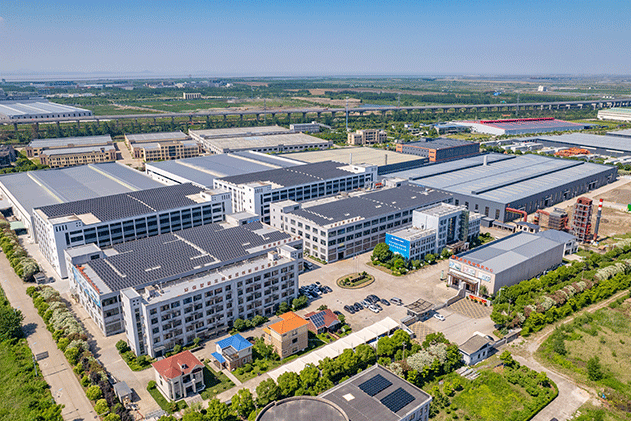
 ONLINE