Каждый менеджер по закупкам, который когда-либо рассчитывал стоимость заказа листов WPC, сталкивался с одной и той же загадкой. Стоимость одного листа выглядит привлекательно, но расчёт стоимости фрахта всё меняет. Внезапно тот «более дешёвый» поставщик из-за океана перестаёт казаться таким уж выгодным, когда расходы на доставку удваивают конечную стоимость.
Количество листов, помещающихся в контейнер, — это переменная, связывающая толщину материала с логистической экономикой. Лист толщиной 5 мм укладывается иначе, чем лист толщиной 20 мм. Объём 40-футового высокого контейнера составляет примерно 76 кубических метров, однако ограничения по весу обычно составляют от 26 000 до 28 000 килограммов для большинства судоходных линий. Фактическое количество листов, которое можно разместить, зависит от того, какой из этих двух пределов будет достигнут первым.
Вот реальность. Более тонкие листы почти всегда заполняют контейнер по объёму раньше, чем достигают предельного веса. Более толстые листы зачастую достигают лимита по весу задолго до того, как контейнер будет полностью загружен. Оптимальная толщина зависит от плотности материала, однако зависимость между толщиной и количеством листов следует предсказуемой кривой.
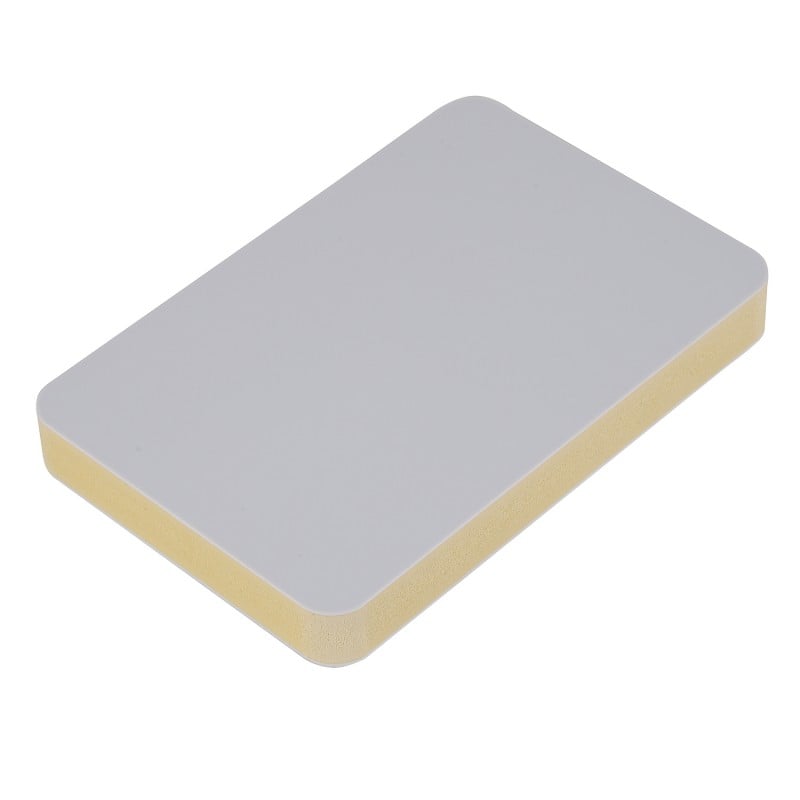
Стандартный лист WPC размером 1220 × 2440 мм — наиболее распространённый формат в отрасли. Для листа толщиной 5 мм при типичной плотности в 20-футовый универсальный контейнер помещается примерно 1300 листов, а в 40-футовый высокий контейнер — около 2600 листов. Удвоение толщины до 10 мм снижает эти цифры почти вдвое. При толщине 18 мм количество листов сокращается ещё больше: в 20-футовый контейнер помещается примерно от 300 до 350 листов — в зависимости от конкретной плотности и способа упаковки.
Эти цифры также изменяются в зависимости от плотности. Лист высокой плотности с плотностью 0,8 г/см³ имеет бо́льшую массу на кубический метр по сравнению с листом средней плотности с плотностью 0,55 г/см³. Разница в массе означает, что 20-футовый контейнер достигает своего предельного грузоподъёмного веса — от 21 000 до 24 000 кг — раньше. Для более толстых листов плотность становится главным фактором при определении количества листов, помещающихся в один контейнер.
| Толщина листа | Примерное количество листов в 20-футовом GP-контейнере | Примерное количество листов в 40-футовом HQ-контейнере | Основное ограничение |
|---|---|---|---|
| 5мм | ~1,300–1,350 | ~2,600–2,700 | Объём (в кубических метрах) |
| 8мм | ~800–850 | ~1,600–1,700 | Объём / масса (смешанная загрузка) |
| 12 мм | ~500–550 | ~1,000–1,100 | Масса (приближение к пределу) |
| 18мм | ~300–350 | ~600–650 | Масса (ограничена грузоподъёмностью) |
| 20 мм | ~280–300 | ~550–600 | Масса (ограничена грузоподъёмностью) |
Менеджер проектов строительной компании из Ближнего Востока однажды представил детализацию отправки 40-футового контейнера с WPC-листами толщиной 12 мм. В контейнере находилось чуть более 1000 листов. Стоимость морской перевозки на один лист составила примерно 15 % от общей стоимости единицы продукции. При последующем заказе листов толщиной 18 мм тот же тип контейнера вместил лишь 620 листов — почти на 40 % меньше — а стоимость морской перевозки на один лист выросла до 22 % от цены единицы.
Эта разница в 7 % в доле стоимости перевозки съела маржу по более толстым листам. Покупатель в итоге перешёл на местного дистрибьютора для толстого материала, но продолжил импортировать тонкие листы. Иногда логистические расчёты влияют на стратегию закупок сильнее, чем цена самого материала.
Расчёты загрузки контейнеров, основанные исключительно на толщине, упускают из виду критически важный параметр: эффективность упаковки. Листы можно размещать один внутри другого (nesting), укладывать в стопки с прокладочными материалами или связывать в пакеты — всё это влияет на итоговое количество листов.
Лист толщиной 20 мм занимает больше вертикального пространства, однако если такие листы укладываются напрямую без поддонов, в контейнер иногда удаётся втиснуть несколько дополнительных слоёв. Каждый поддон «съедает» от 100 до 150 мм вертикальной высоты — и эта величина быстро накапливается. При паллетизации с зазором 100 мм между слоями партия может потерять от 10 до 15 листов по сравнению с загрузкой непосредственно на пол контейнера.
Затем следует фактор веса. Максимальная грузоподъёмность 20-футового контейнера у большинства ведущих линий составляет около 24 000 кг. Лист толщиной 5 мм при плотности 0,6 г/см³ весит примерно 9 кг. При 1300 листах общий вес составит 11 700 кг — значительно ниже предельного значения. Лист толщиной 18 мм при той же плотности весит около 32 кг. При 350 листах общий вес достигает 11 200 кг, что также остаётся в пределах допустимого. Тогда почему в контейнер помещается лишь 350 листов толщиной 18 мм? Потому что объём заполняется раньше, чем достигается лимит по весу.
Внутренние размеры 20-футового контейнера GP приблизительно равны 5,9 м в длину, 2,35 м в ширину и 2,39 м в высоту. Стопка из 350 листов толщиной 18 мм имеет общую толщину около 6,3 м. Если укладывать такие листы плашмя, это превышает предельную высоту в 2,39 м. Поэтому листы укладываются на ребро или в конфигурациях, позволяющих эффективнее использовать площадь основания контейнера. Способ укладки столь же важен, как и толщина листов.
Во время проекта расширения склада для розничной сети в Юго-Восточной Азии отдел закупок заказал листы WPC толщиной 8 мм для облицовки стен в трёх торговых точках. Первоначальный план предполагал использование одного 40-футового контейнера высокого куба для перевозки всего материала. Поставщик указал объём загрузки — 1600 листов на контейнер — на основе стандартных расчётов укладки.
При прибытии груза выяснилось, что количество листов оказалось на 120 штук меньше расчётного. Команда по погрузке укладывала листы горизонтально на поддоны, что заняло больше вертикального пространства, чем предполагалась оценка поставщика при прямой укладке на пол контейнера. Поддоны «съели» 120 мм вертикального пространства на каждый слой, а при трёх слоях поддонов суммарно исчезло почти 360 мм высоты. Это утраченное пространство привело к снижению количества размещаемых листов.
Решение для следующего заказа оказалось простым. Поставщик перешёл на укладку листов по краям без поддонов, используя угловые защитные элементы и стреппинг вместо этого. В тот же 40-футовый контейнер при второй поставке поместилось 1720 листов — на 120 больше, чем первоначально предполагалось, и на 240 больше, чем при первой фактической поставке. Урок усвоили: конфигурация погрузки зачастую важнее числа толщины, указанного в технической спецификации.
ASTM D7031 определяет стандартное руководство по оценке механических и физических свойств изделий из древесно-полимерных композитов (WPC). Хотя данный стандарт напрямую не регулирует погрузку в контейнеры, он устанавливает базовые показатели свойств материала, влияющие на экономику перевозок. Прочность при изгибе, плотность и водопоглощение определяют, как листы обрабатываются, упаковываются и транспортируются.
ASTM D7032 охватывает оценку эксплуатационных характеристик досок для настила и систем ограждений из древесно-полимерных композитов (WPC), включая влияние температуры и влажности, устойчивость к УФ-излучению и стойкость к циклам замораживания–оттаивания. Эти испытания имеют значение для контейнерных перевозок, поскольку листы, показавшие низкие результаты в ускоренных испытаниях старения, могут получить повреждения во время морской транспортировки. Лист, поглощающий 6 % влаги по массе, набухает и деформируется, что может привести к растрескиванию при перепадах температур при пересечении Тихого океана в контейнере. Листы, сохраняющие размерную стабильность в соответствии с протоколами ASTM, лучше переносят транспортировку и прибывают в пригодном для использования состоянии.
Правильный выбор толщины листов WPC зависит не только от требований конкретного применения. Стоимость доставки одного листа изменяется нелинейно в зависимости от толщины. Производство листа толщиной 18 мм может обойтись всего на 20 % дороже, чем листа толщиной 12 мм, однако стоимость фрахта на один лист может возрасти на 40 %, если в контейнер помещается на 40 % меньше единиц продукции.
Для покупателей, контролирующих логистику, выполнение быстрого расчёта загрузки контейнера до размещения заказа может сэкономить значительные средства. Указанное поставщиком количество листов в контейнере следует проверить с учётом фактических габаритов листов, способа упаковки и ограничений перевозчика по весу. Запрос схемы загрузки — не требование излишнее: это стандартная практика для опытных импортёров.
Некоторые производители предлагают варианты смешанной загрузки: более тонкие листы размещаются внутри полых профилей более толстых изделий, чтобы использовать каждый кубический сантиметр объёма. Такой подход позволяет повысить коэффициент использования контейнера на 15–25 % без увеличения расходов на доставку. Эту услугу предоставляют не все поставщики, однако стоит уточнить её наличие.
Для большинства коммерческих применений листов WPC диапазон толщин от 8 мм до 12 мм обеспечивает наилучший баланс между эксплуатационными характеристиками материала и экономикой доставки. Более тонкие листы доставляются дешевле, но могут не обладать достаточной жёсткостью для конструкционных применений. Более толстые листы демонстрируют лучшую несущую способность под нагрузкой, однако их транспортировка связана с дополнительными расходами на фрахт, которые могут свести на нет преимущество в стоимости материала.
Oufei располагает несколькими производственными линиями, что позволяет гибко планировать выпуск листов любой толщины в пределах всего диапазона; при этом конфигурации погрузки оптимизированы под каждый тип контейнера. Производственная настройка обеспечивает стабильные допуски по размерам, что делает укладку предсказуемой, а количество листов в каждой отправке — надёжным.
 Свежие новости
2026-06-26
2026-06-22
2026-06-19
 ОНЛАЙН
Copyright © 2026 by Hangzhou Oufei New Material Co.,Ltd. — ПОЛИТИКА КОНФИДЕНЦИАЛЬНОСТИ
 EN
EN