
От първоначално гледане коекструзионният лист и еднослоеният лист изглеждат подобни. Един и същи размер, подобни опции за цвят, сравнима повърхностна текстура. Но вътрешната архитектура разказва напълно различна история.
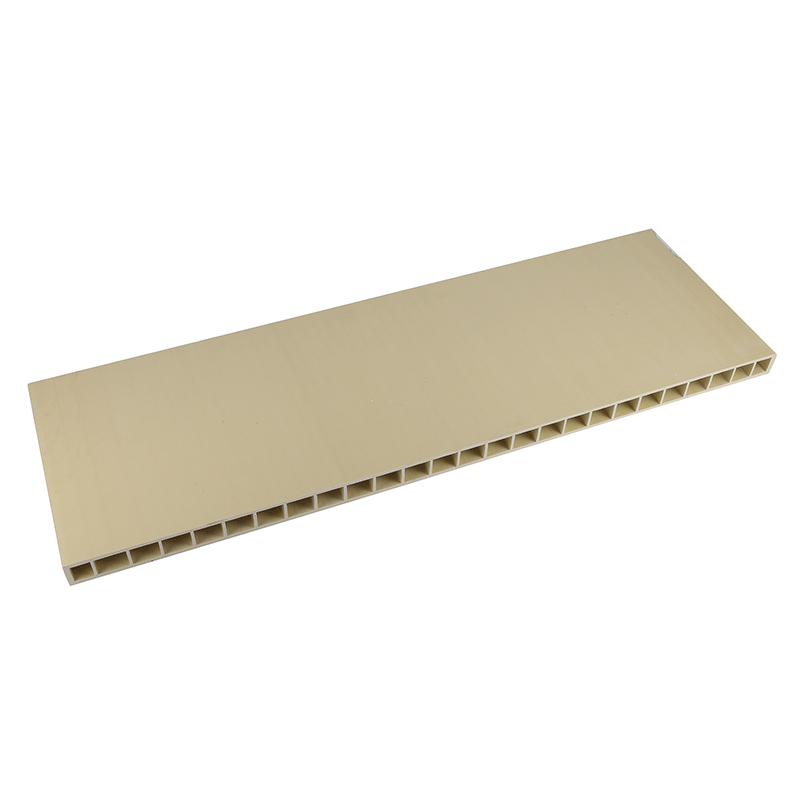
Еднослоенните ВПК листове са хомогенни – дървени влакна и пластмаса са смесени и екструдирани като един еднороден материал . Дървените влакна по целия лист са изложени на всяка повърхност, включително и по ръбовете. Това означава, че всеки отрязан ръб, всеки фрезован жлеб и всяка повърхностна драскотина стават път за проникване на влага в ядрото .
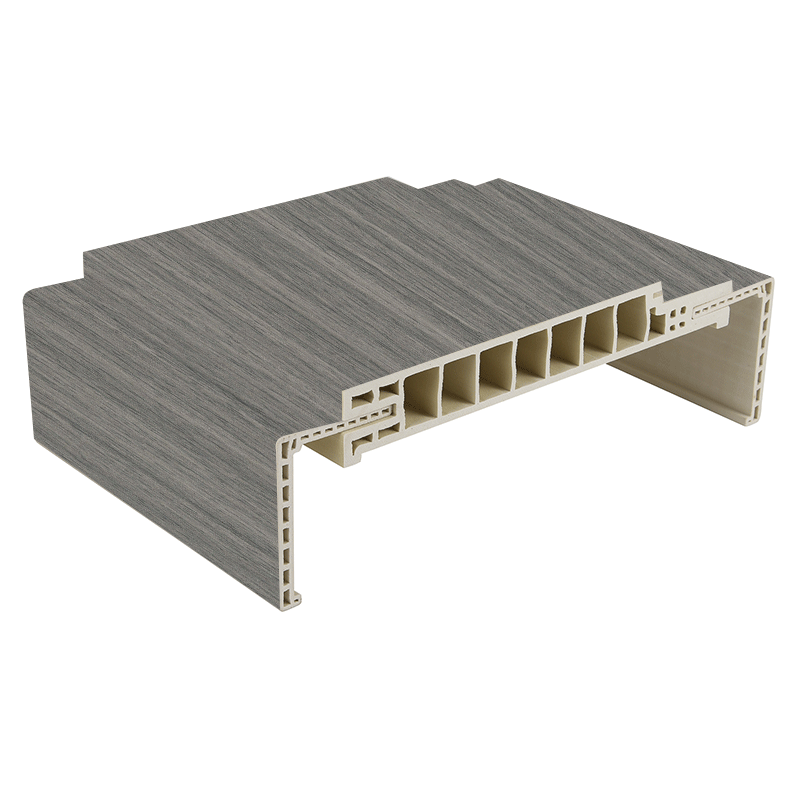
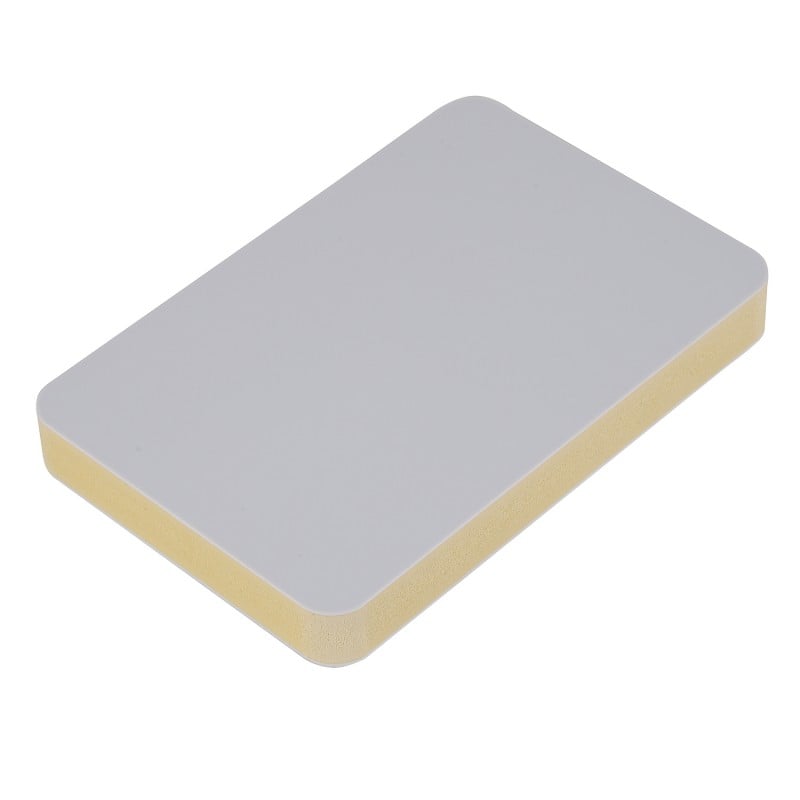
Коекструзията, напротив, създава двуслоенна структура. Ядрото от ВПК се екструдира едновременно с тънък, но плътен капсулиращ полимерен слой – обикновено АСА или подобен инженерен пластмасов материал – който обгръща целия профил тази капачка има почти нулева порозност и действа като непрекъсната бариера срещу влага. Основата осигурява структурна здравина и термична стабилност; обвивката поема въздействието на околната среда два материала, всеки от които оптимизиран за своята задача, работят заедно.
Разликата в производителността между тези две конструкции не е маргинална — тя е значителна.
Стандартният тест ASTM D570 за 24 часа е индустриалният стандарт за сравнение на устойчивостта към влага . Лист с един слой, който абсорбира от 2 % до 6 % от теглото си във вода, се разширява, напряга вътрешните си връзки и става уязвим към щети от цикли на замразяване и размразяване в по-студени климатични зони. Коекструдиран лист с поглъщане под 0,3 % — често дори по-ниско — запазва размерната си стабилност през сезонните промени.
Ускореният тест при 60 °C показва още по-ясна картина. След 192 часа в гореща вода листът с един слой е абсорбирал повече от три пъти повече влага в сравнение с коекструдирания вариант . Това не е незначително подобрение — това е фундаментална разлика в начина, по който материала реагира под механично напрежение.
Разбирането защо еднослойните листове абсорбират влага изисква разглеждане на материала на микроскопично ниво. Дървените влакна са естествено хидрофилни — те привличат и задържат вода. При еднослойните WPC тези влакна са разпределени по цялата повърхност на листа, а много от тях са оголени на повърхността . Когато влагата попадне върху повърхността, капилярното действие я изтегля по интерфейса между влакната и матрицата и по-навътре в сърцевината.
Щом водата проникне, последователно се случват няколко неща. Дървените влакна се подуват, което създава вътрешно напрежение. Подуването наруши връзката между влакната и пластмасовата матрица, което намалява механичната здравина . При многократни цикли на намокряне и изсушаване се образуват и разрастват микропукнатини. Материалът губи огъваща здравина, става по-податлив на деформация и в крайна сметка показва видима повърхностна деградация .
Съвместно екструдираната плоча напълно елиминира проблема с излагането. Полимерната повърхностна обвивка запечатва повърхността и ръбовете (ако са правилно профилирани), така че влагата никога не достига дървесните влакна в ядрото. Самият външен слой абсорбира пренебрежимо малко вода, поради което няма подуване, няма вътрешно напрежение и няма път за започване на деградация.
Лабораторните данни са едно нещо. Фактическата производителност в сгради и инсталации е друго.
Търговски проект в крайбрежен град в провинция Цзянсу е инсталирал два типа WPC листа за външно облицовка на една и съща сграда – еднопластови на северната фасада и коекструдирани на южната фасада, и двата от един и същи производител и инсталирани от един и същи екип. След три години излагане на солен въздух, сезонна влажност и директно слънце разликата беше очевидна. Еднопластовите листа показаха видимо подуване по ръбовете, някои повърхностни пукнатини и измерима загуба на ударна устойчивост при полеви тестове. Коекструдираните листа запазиха оригиналните си размери, стабилност на цвета и цялостност на повърхността с минимални промени.
Изводът не беше, че еднопластовите листа са лоши – те са подходящи за много вътрешни приложения, където експозицията към влага е минимална. Но за всеки тип среда, при която водата, влажността или температурните цикли са фактор, коекструдираната конструкция осигурява степен на дълготрайност, която еднопластовата просто не може да постигне.
Съвместно екструдираните листове се отличават в приложения, при които влагата е честа или продължителна: перила за баня, кухненски гардероби, външни облицовки, помещения за съхранение с висока влажност и всички инсталации близо до източници на вода. Първоначалната цена е по-висока, но намаленото поддържане и по-дългият експлоатационен живот обикновено оправдават премията.
Еднослоевите листове остават практичен избор за вътрешни приложения със стабилни климатични условия: мебели за офиси, перила от суха стена, декоративни панели в климатично контролирани пространства. Материалът работи добре, когато не е изложен на влага.
Ключовият момент е съответствието между продукта и околната среда. Използването на еднослоеви листове в раздевалня на плувен басейн или за външно приложение в крайбрежна зона води до преждевременно повреждане. Използването на съвместно екструдирани листове за суха вътрешна офис стена е прекалено инженерно решение и ненужни разходи.
Съвместната екструзия изисква прецизен контрол върху температурите на топене, скоростите на подаване и дизайна на дюзата. Горният слой трябва да се свърже с основния слой без разслояване, а дебелината му трябва да е еднородна по цялата дължина на профила. Не всеки производител разполага с оборудването или процесния контрол, необходими за надеждно осъществяване на този процес. .
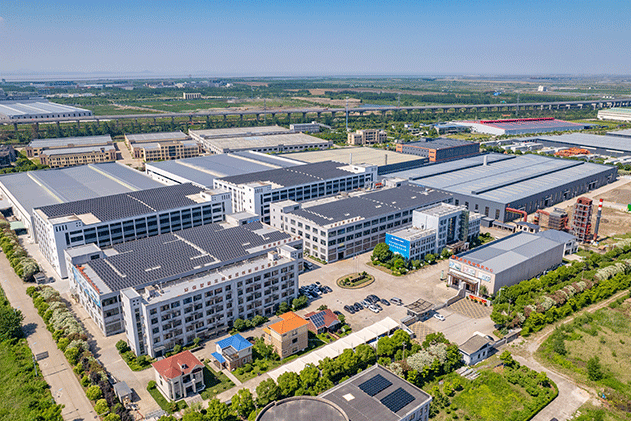
Предприятия с десетилетия опит в компаундирането и множество линии за съвместна екструзия — като Ханчжоу Оуфей — са усъвършенствали тези параметри чрез години производствени данни. разликата се проявява не само в резултатите от лабораторните тестове, но и в еднородността на крайния продукт: равномерна дебелина на горния слой, силно междуслоево сцепление и минимални отклонения между партидите.
За спецификациите и купувачите тази еднородност има същото значение като материалната наука. Добре проектиран лист от съвместно екструдиран материал от компетентен производител осигурява устойчивостта към влага, обещана в техническите данни. Лист от предприятие без подходящ процесен контрол може да изглежда подобен на повърхността, но да не изпълнява зададените функции при реална употреба.
 Горещи новини
Copyright © 2026 by Hangzhou Oufei New Material Co.,Ltd. — ПОЛИТИКА ЗА КОНФИДЕНЦИАЛНОСТ
 EN
EN
 ОНЛАЙН